

Where Does The Wax Go When You Burn a Candle?
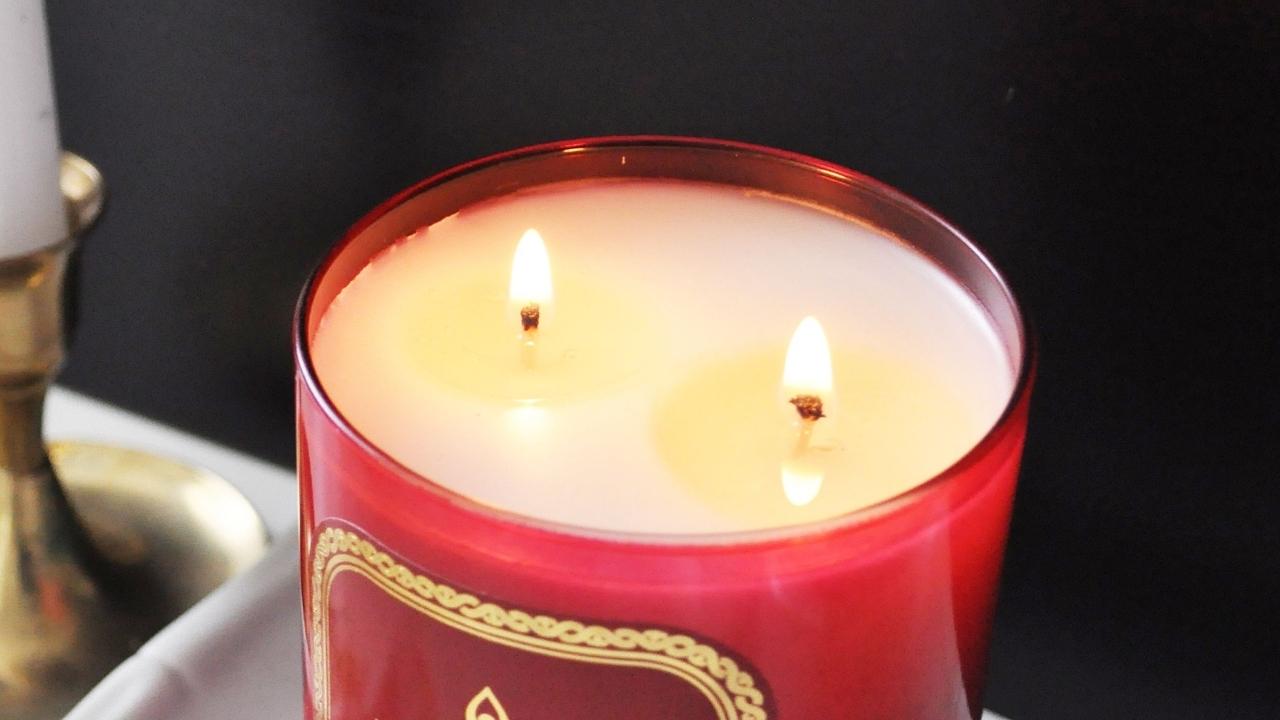
We have all experienced the quiet magic of lighting a favorite luxury candle. As the flame dances and the room fills with an intoxicating fragrance, you might find yourself staring into the warm, glowing pool of melted wax. Hours pass, and that puddle slowly, mysteriously diminishes.
It almost feels like an illusion, prompting a very common—and completely fascinating—question: where does the wax go when you burn a candle?
The short answer is that the wax doesn’t simply vanish into nothingness; it transforms. To understand how a solid object seemingly disappears into thin air, we have to look at the beautiful science behind the flame.
The Step-by-Step Disappearing Act
When you strike a match and light the wick, you are actually initiating a miniature, self-sustaining chemical reaction. In this process, the candle wax acts as the fuel. Here is the step-by-step journey of how that wax transforms from a solid block into thin air:
1. The Melt
First, the heat of the flame radiates downward, melting the solid wax directly beneath it and creating that beautiful, fragrant pool of liquid.
2. The Upward Climb
The wick behaves much like an absorbent towel. Through a process called capillary action, the woven threads of the wick draw the liquid wax upward, pulling it directly into the heat of the flame.
3. Vaporization
Candle wax is made up of heavy hydrocarbon molecules (chains of hydrogen and carbon). Once that liquid wax is pulled into the flame, it gets so incredibly hot that it boils and vaporizes into a hot gas.
4. The Final Transformation (Combustion)
This is where the magic happens. The hot, vaporized hydrocarbon gas reacts with the oxygen in your room. This chemical reaction breaks down the wax molecules and rearranges them into two completely new, invisible oxide compounds: water vapor (H2O) and carbon dioxide (CO2).
So, to answer the question directly: the wax literally becomes the air around you. It is released as invisible steam and carbon dioxide gas, leaving nothing behind but the lingering fragrance. A fraction of the energy created during this reaction is given off as heat and light, which melts more wax and keeps the cycle going until you extinguish the flame.
What Causes Smoke and Soot?
When a candle burns perfectly, this chemical transformation is entirely invisible. However, you might occasionally notice a wisp of smoke or a dark smudge of soot forming on the glass jar. This is the result of an incomplete combustion reaction.
When the delicate balance between oxygen and fuel is disrupted—usually because the wick is drawing up wax faster than the flame can burn it—the excess carbon particles cannot fully transform into gas. Instead, they are released as a chalky black soot. (You can read more deeply into this in our guide on why some candle jars turn black).
The Art of a Pristine Burn
Fortunately, keeping your candle burning cleanly is an easy art to master. Here is how to care for your candle to ensure every ounce of wax transforms beautifully into invisible vapor:
Invest in High-Quality Wax
The foundation of a clean burn begins with the ingredients. At Harlem Candle Co., our luxury candles are poured using a natural, soy-based wax blend. Natural wax melts at a lower temperature and burns much more cleanly than traditional, mass-produced paraffin wax.
Trim the Wick Religiously
Think of your wick as the engine of the candle. If the wick is left too long, the flame becomes overly large and hot, pulling up too much liquid wax and creating excess soot. Trimming your wick to ¼ inch before every single lighting is the golden rule of candle care.
Extinguish with Elegance
Blowing out a candle forcefully disrupts the wick and sends a sudden cloud of smoke into your perfectly scented room. Instead, gently suffocate the flame using a candle snuffer. It is the safest, cleanest way to end your sensory experience without damaging the wick.
Protect the Flame from Drafts
A dancing, flickering flame is a sign that the fire is struggling to find a steady stream of oxygen. Open windows, air conditioning vents, or high-traffic hallways can easily cause incomplete combustion. Always place your candle in a calm, draft-free area so it can glow undisturbed.
The next time you light a candle and watch the wax slowly recede, you will know exactly what is happening behind the scenes. It isn't just disappearing—it is transforming into the warmth, light, and beautiful fragrance that elevates your home.
Read more

From tranquil bedrooms to energized offices, this guide helps you optimize candle placement and scents for every corner of your home.

Defined by sophistication and quality, luxury candles elevate the senses with refined scents, eco-friendly wax, elegant designs, and thoughtful presentation.