

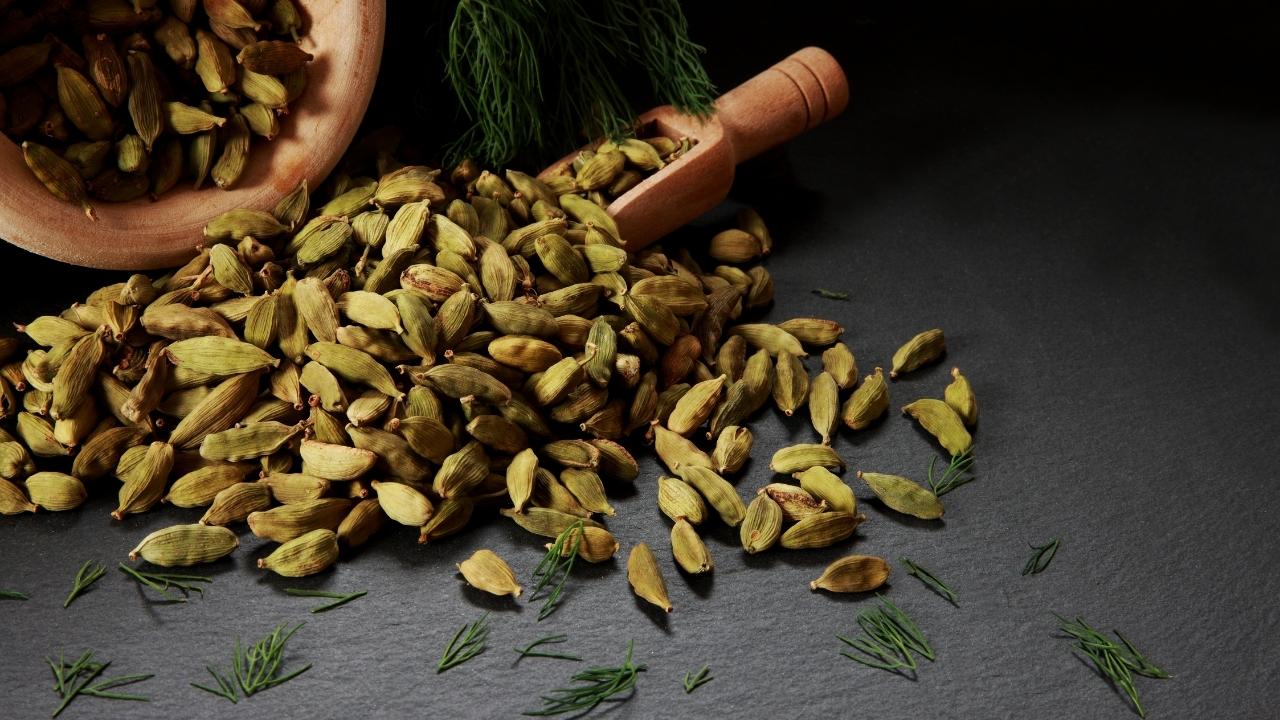
Known as the "queen of spices," cardamom offers a warm, energizing fragrance reminiscent of spiced desserts, exotic dishes, and cozy winter moments.
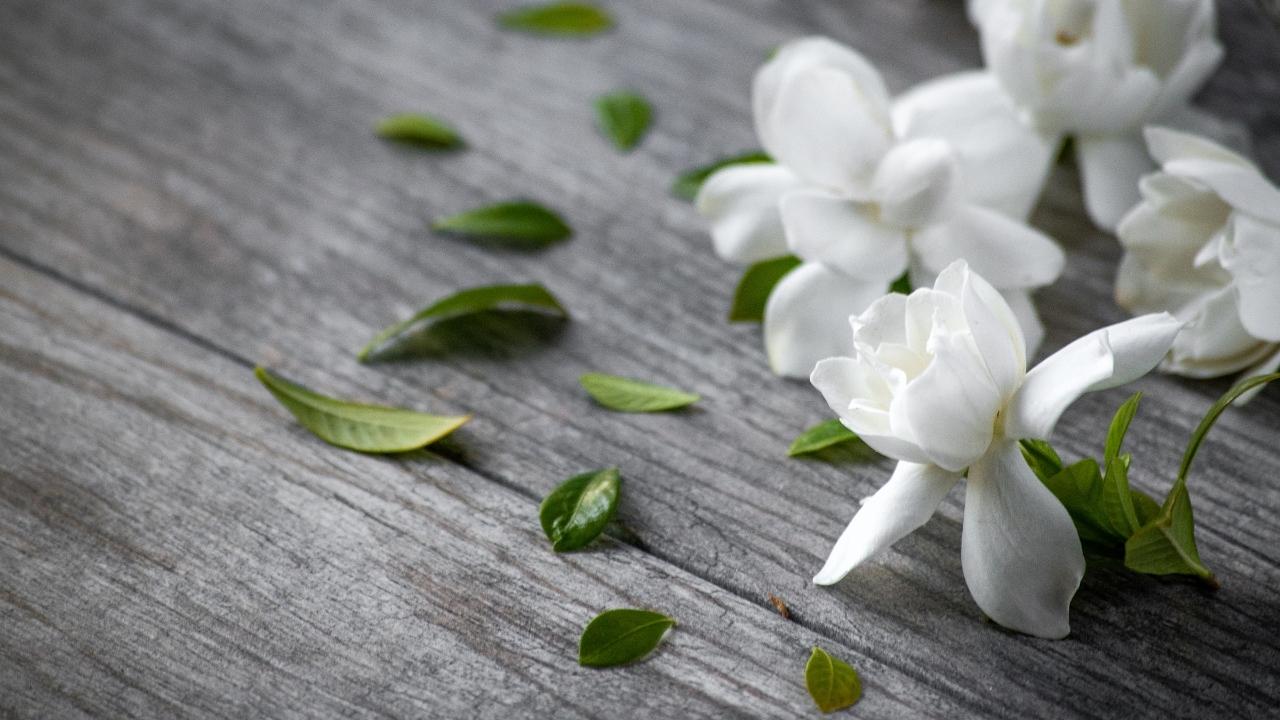
From its creamy, zesty notes to its elegant history and therapeutic qualities, gardenia shines as a quintessential fragrance, according to Harlem Brands.
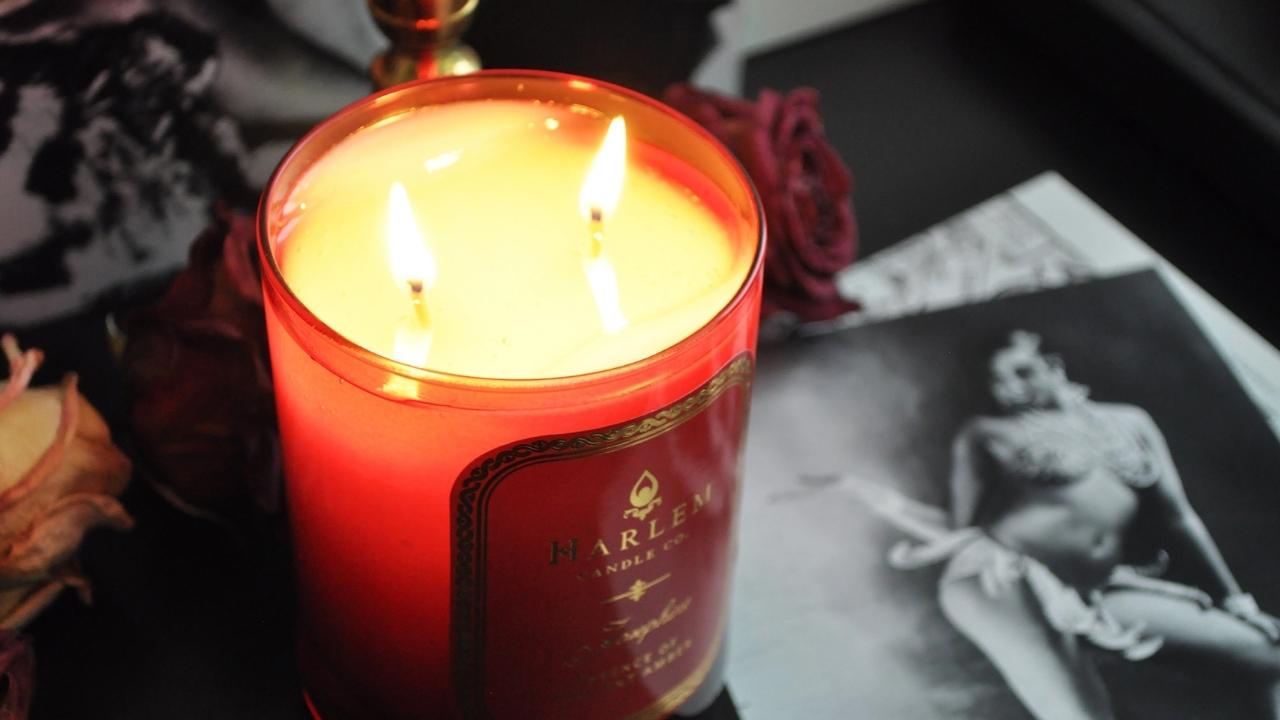
Celebrate love this Valentine’s Day with six alluring candle scents, including sandalwood and vanilla, designed to set the ultimate romantic atmosphere.

Derived from the leaves of eucalyptus trees, this invigorating fragrance blends crisp mint, sweet citrus, and woody notes to create a refreshing and relaxing experience.
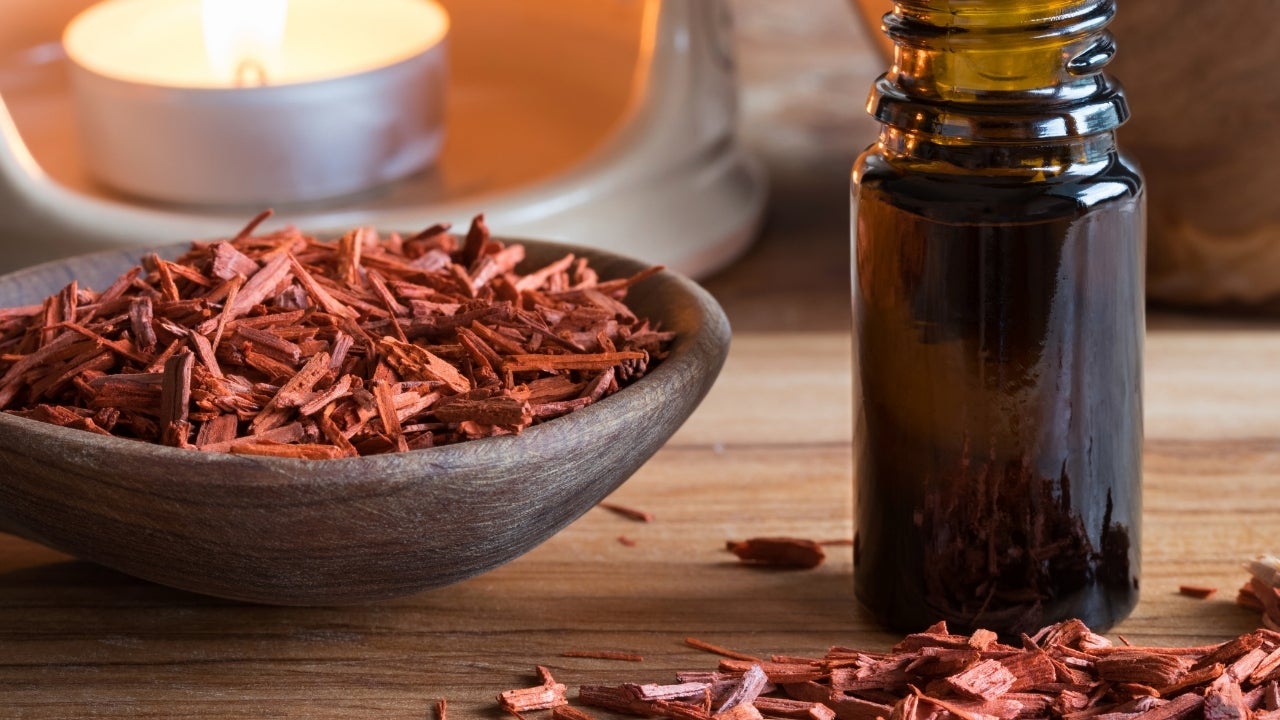
Harlem Brands unravels the distinctive scent of sandalwood—soft, creamy, and woody—exploring its history, versatility in fragrances, and calming aromatherapy benefits.

By incorporating proven focus-enhancing scents, such as lavender for calmness or peppermint for alertness, your workspace can become a productivity-boosting sanctuary.
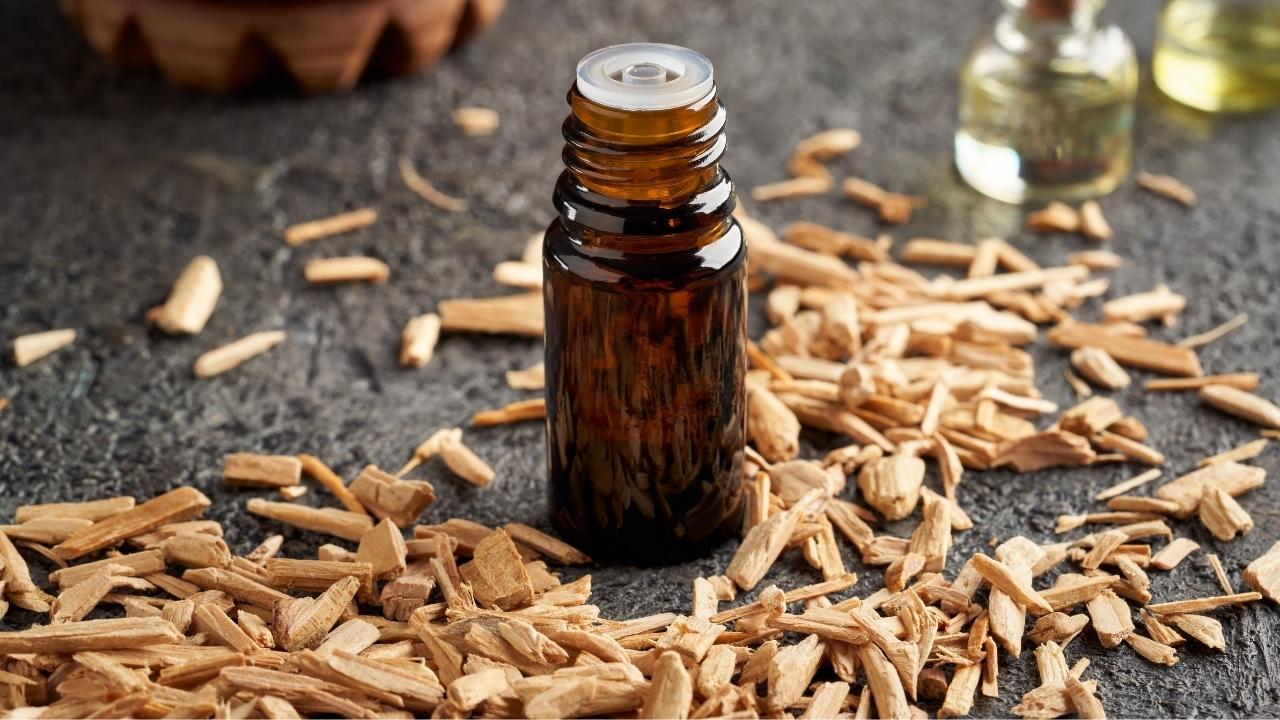
Cedarwood, a soft, camphoraceous scent with hints of spice and resin, blends beautifully with floral and citrus notes, making it a cornerstone of fine fragrances and candles.

The alluring fragrance of amber, rich with soft resinous warmth and subtle sweetness, is a versatile base note that conjures exotic charm and cozy indulgence.
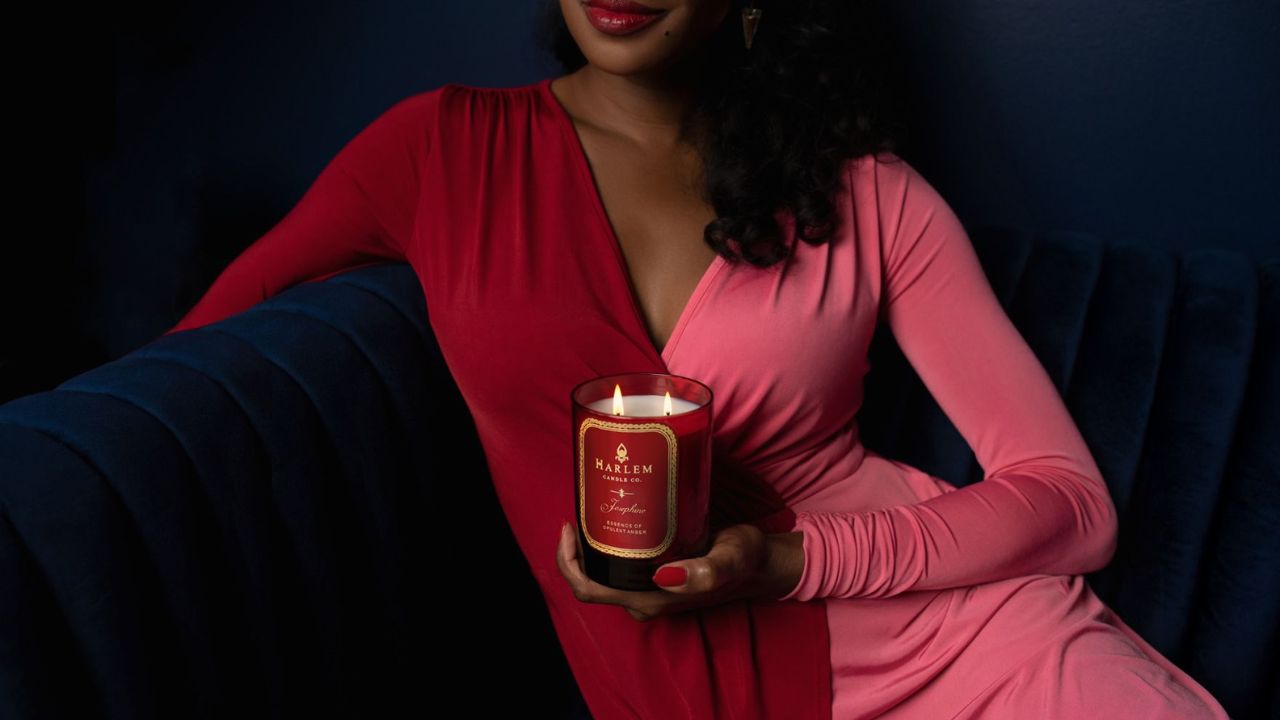
With temperatures varying from 120°F for wax to 1,400°F for flames, candles require careful handling to prevent burns and accidents.
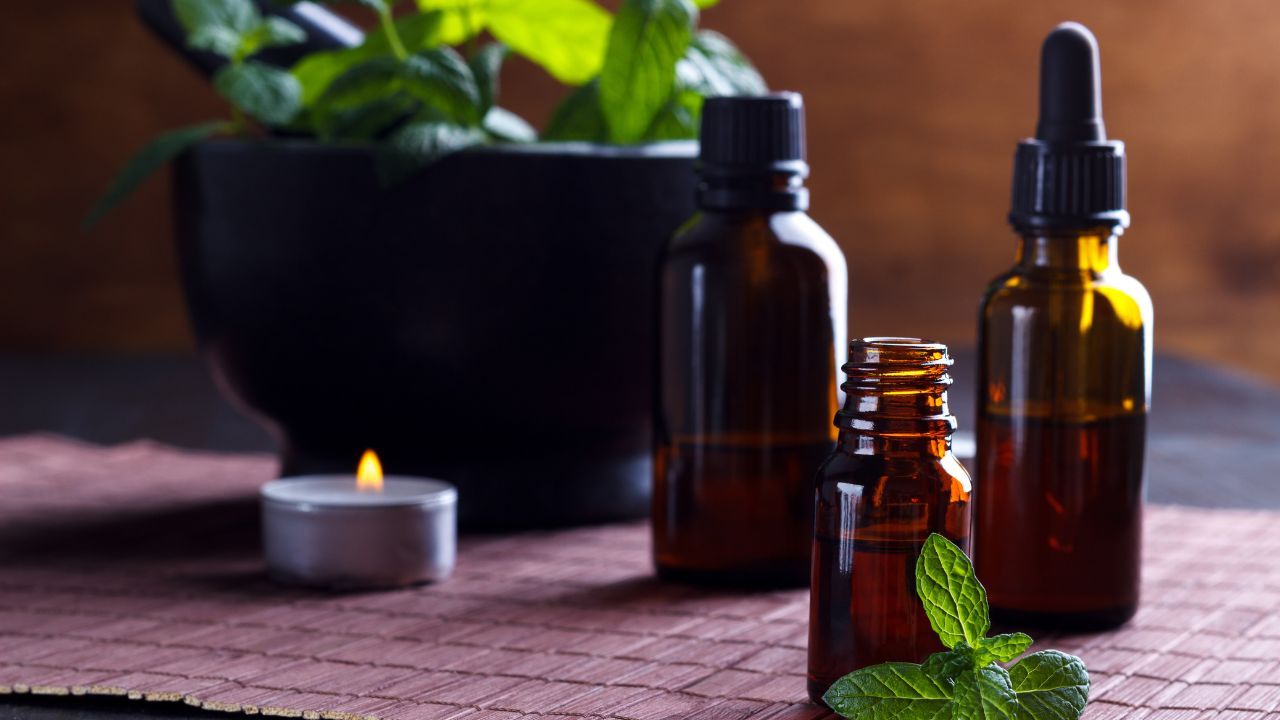
This guide compares essential oils and fragrance oils in candles, detailing their production methods, scent characteristics, and suitability for different preferences and uses.
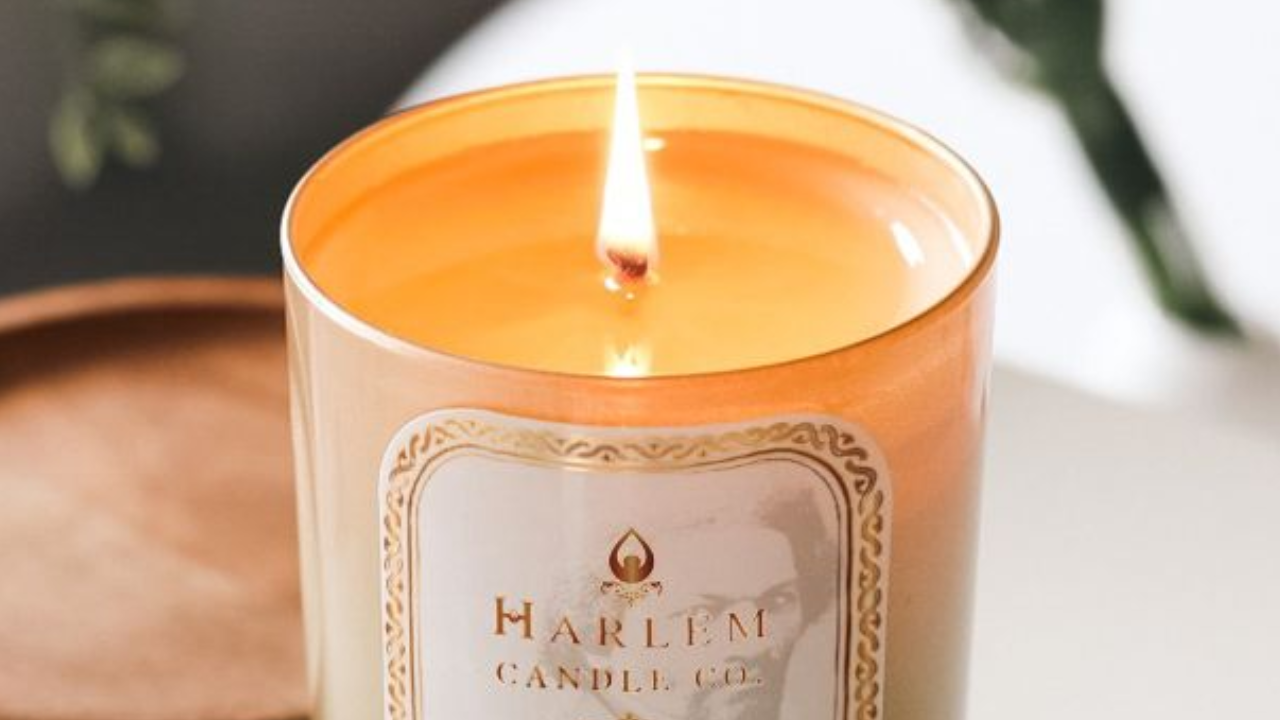
Achieve a perfect burn by letting the wax melt edge to edge during your candle's first lighting, ensuring its longevity and optimal aroma.
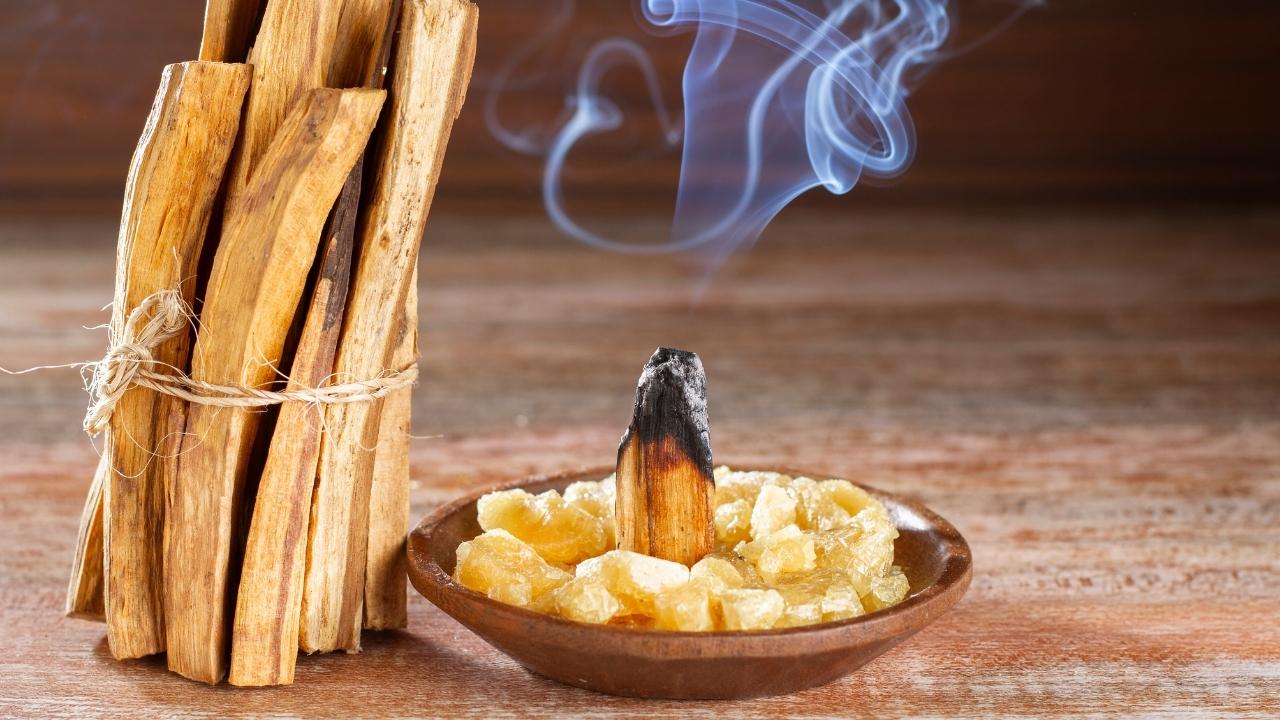
Delve into Palo Santo’s delicate scent, its cultural roots, and the role of its fragrance chemicals in crafting a calming and purifying experience